This model is a watch that uses the Bluetooth® hands-free function found in mobile phones to notify you of incoming calls via vibration and light. The design, aimed at early adopters, features a gadget-inspired aesthetic with details such as a hairline-finished main plate, hex screws, and polyurethane parts reminiscent of the punched metal of speakers, all brought together with a precise, slightly retro shortwave radio feel. Through the upper window, you can see the vibrator motor. When this motor rotates, an LED light shines on it, diffusing the light to notify you of incoming calls. The design aims to provide both tactile (vibration) and visual effects. To enhance the gadget feel, the motor is intentionally made visible. Due to the thickness of the case, the back is shaped as much as possible with curves, utilizing the characteristics of plastic molding to improve the fit on the wrist. Additionally, a new structure was devised that combines a polyurethane band with an internal side push button and a free-adjust clasp, making it easy to put on, take off, and adjust.
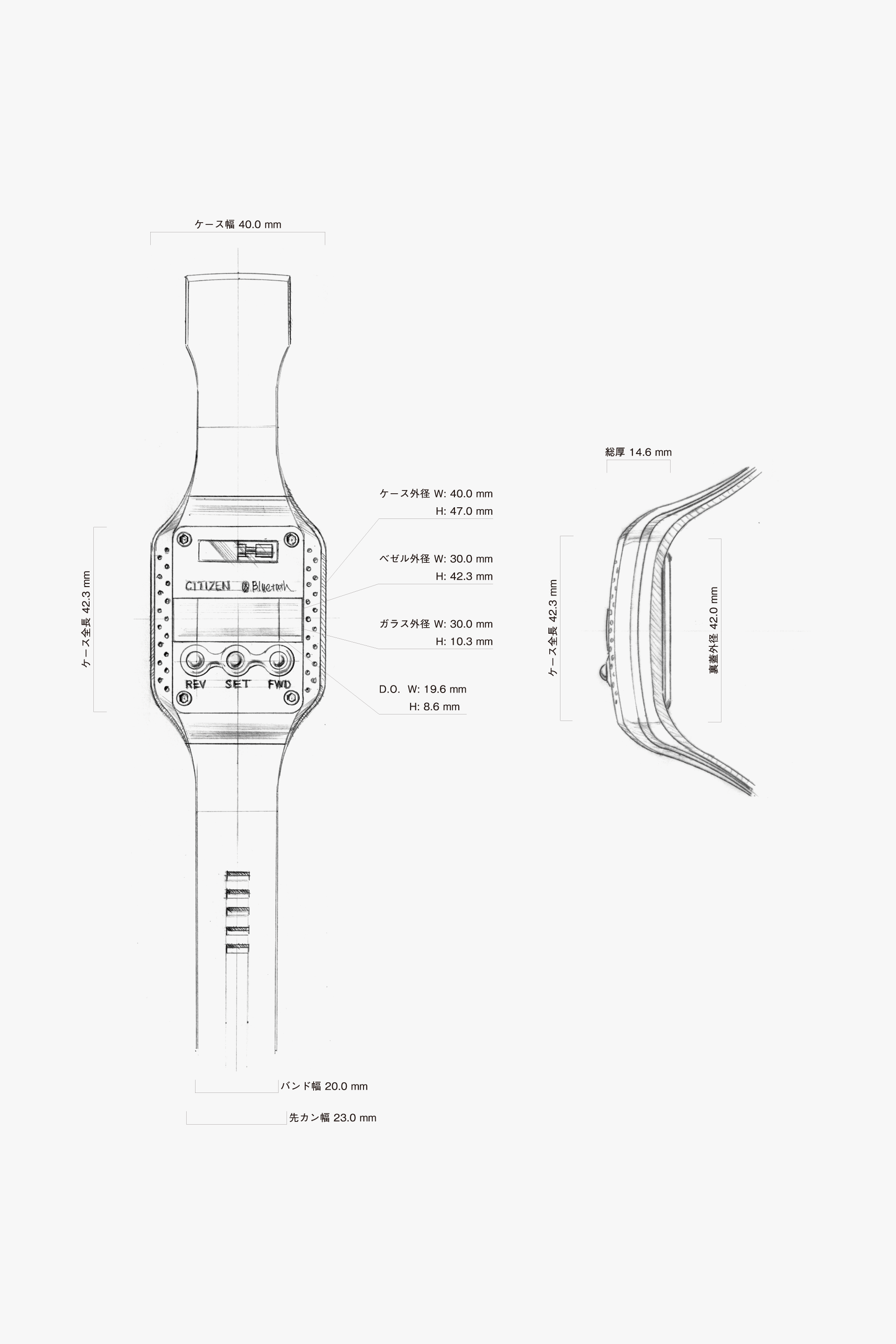
A gadget-inspired design with a precise, slightly retro shortwave radio feel.
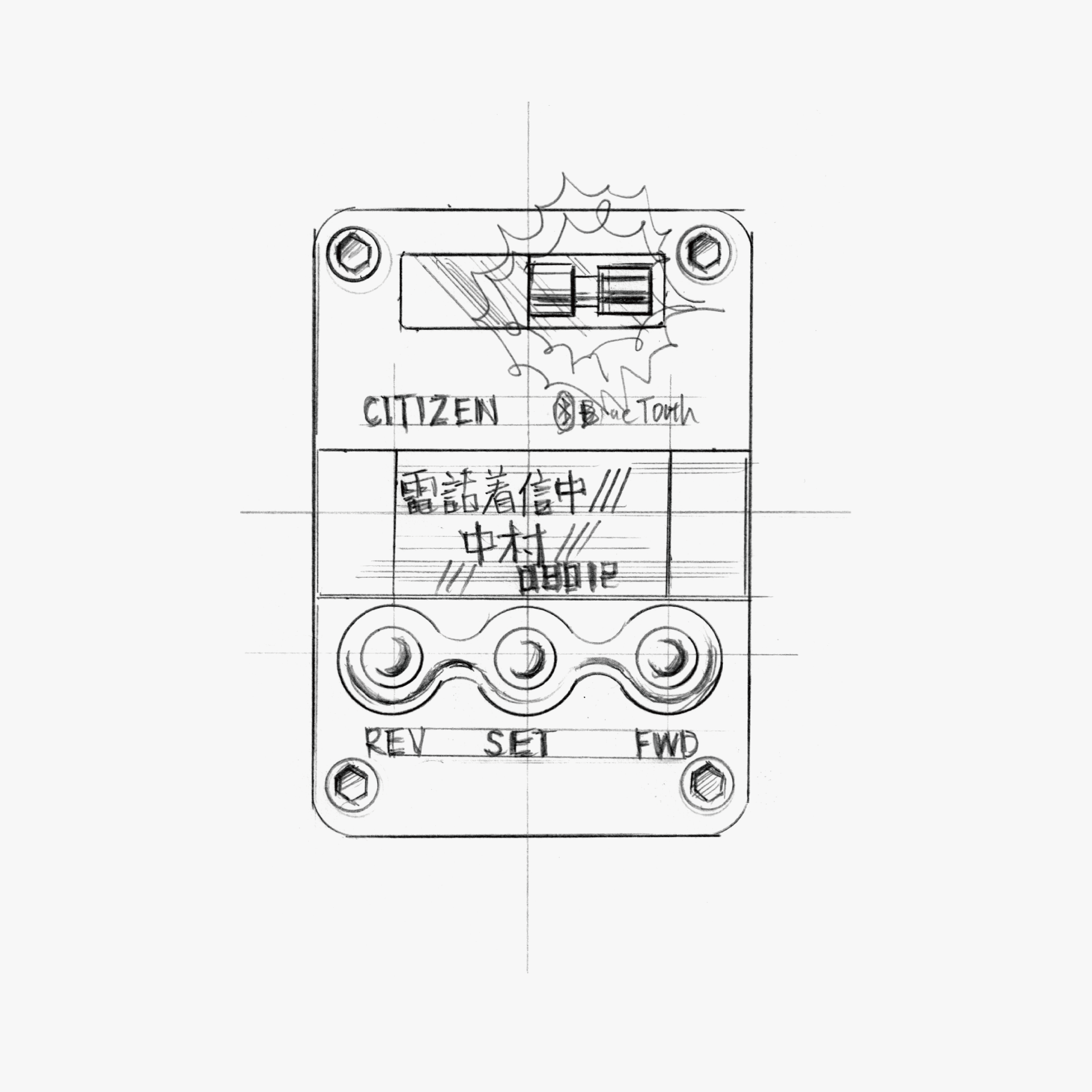
Polyurethane parts reminiscent of the punched metal of speakers, hex screws, and a hairline-finished main plate. The design, aimed at early adopters, is brought together with a precise, slightly retro shortwave radio feel. When there is an incoming call or message, an LED light shines on the vibrator motor, diffusing the light to notify you. The design aims to provide both tactile and visual effects.
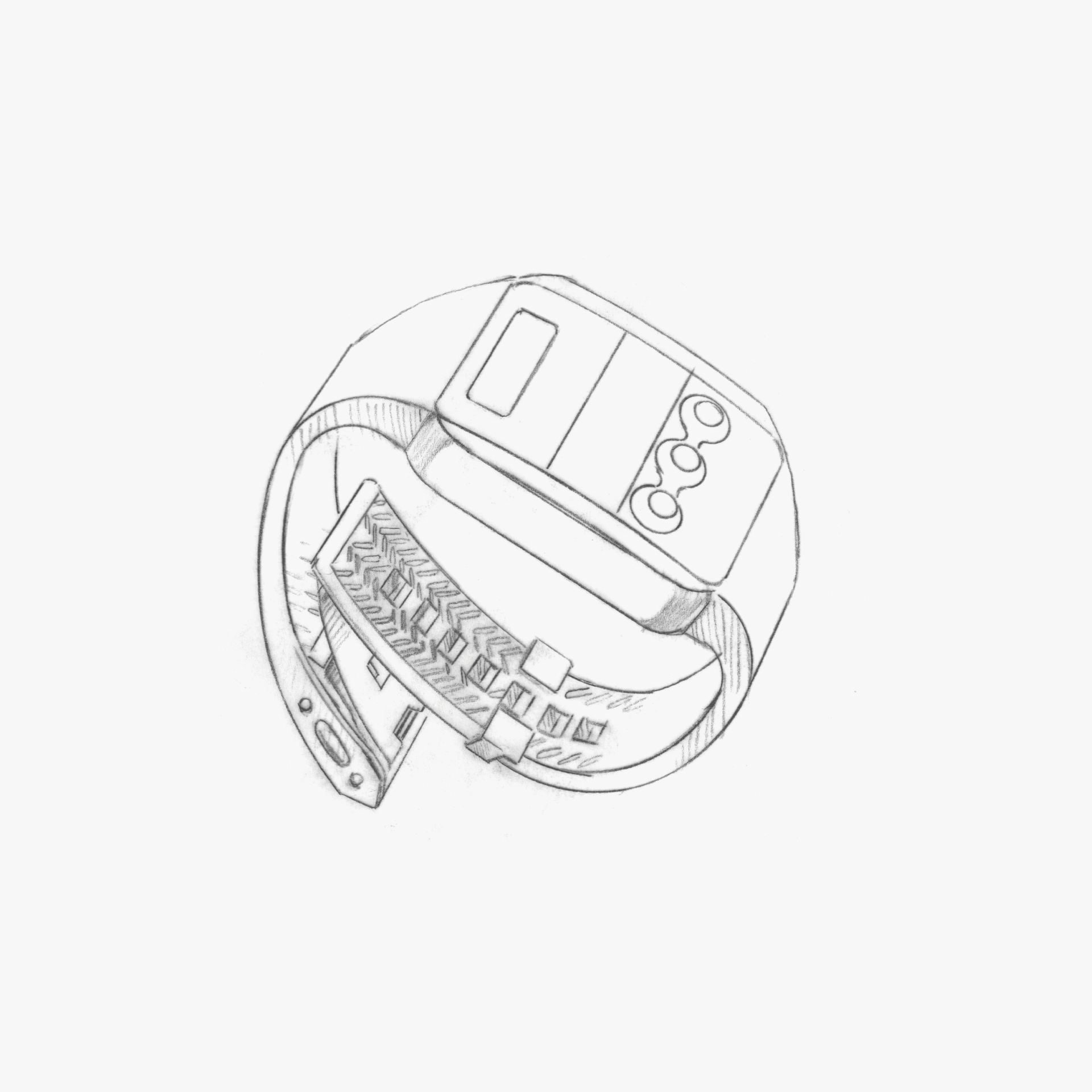
A new clasp structure that combines a side push button placed inside the polyurethane band with a free-adjust system.
ENGINEER'S EYE
Too Early
This was a watch designed to work with so‑called feature phones, released in 2006—back when not only smartwatches but even smartphones were still barely known.
In addition to being the world’s first watch equipped with Bluetooth® (cid:8060), it notified users of incoming calls and emails via vibration, and featured an OLED display, which was not yet common at the time. Within CITIZEN’s lineup, it stood out as a movement that boldly embraced cutting‑edge technology.
Looking back now, it might well be called a model that foretold the future of mobile devices. It was so far ahead of its time that only a limited range of phones could pair with it, making it a product known mainly to insiders. Even so, successors such as the i:VIRT M, which added a color LCD allowing you to read emails right on your wrist, offered a glimpse into one facet of the watch’s evolution that connects to today’s smartwatches—an intriguing series indeed.