Among the many watches available, only those designed for people with visual impairments are made with the assumption that users will 'read the time by directly touching the dial and hands.' Every part’s shape and specification is carefully considered so that it can be touched safely and comfortably.
The overall design of the watch is simple and modern. The openable bezel is fitted with a domed box glass, and when touched, its rounded shape gives a sense of warmth and reassurance.
When you open the lid and touch the dial directly with your finger, you are first struck by the presence of the hands. The sturdy stainless steel hands, which do not shift position even when pressed a bit firmly, have a solid three-dimensional form from base to tip, making it easy to read the time by touch.
The indexes are each shaped with a conical top, but you won’t feel any sharpness even when touching them with your fingertip. Their shape seems to be inspired by Braille. The resin-coated dial, like the glass, has a gently rounded shape, making its surface pleasant to the touch and giving you the urge to keep touching it.
This is a model in which you can deeply feel the designers’ thoughtfulness toward those who need this watch.
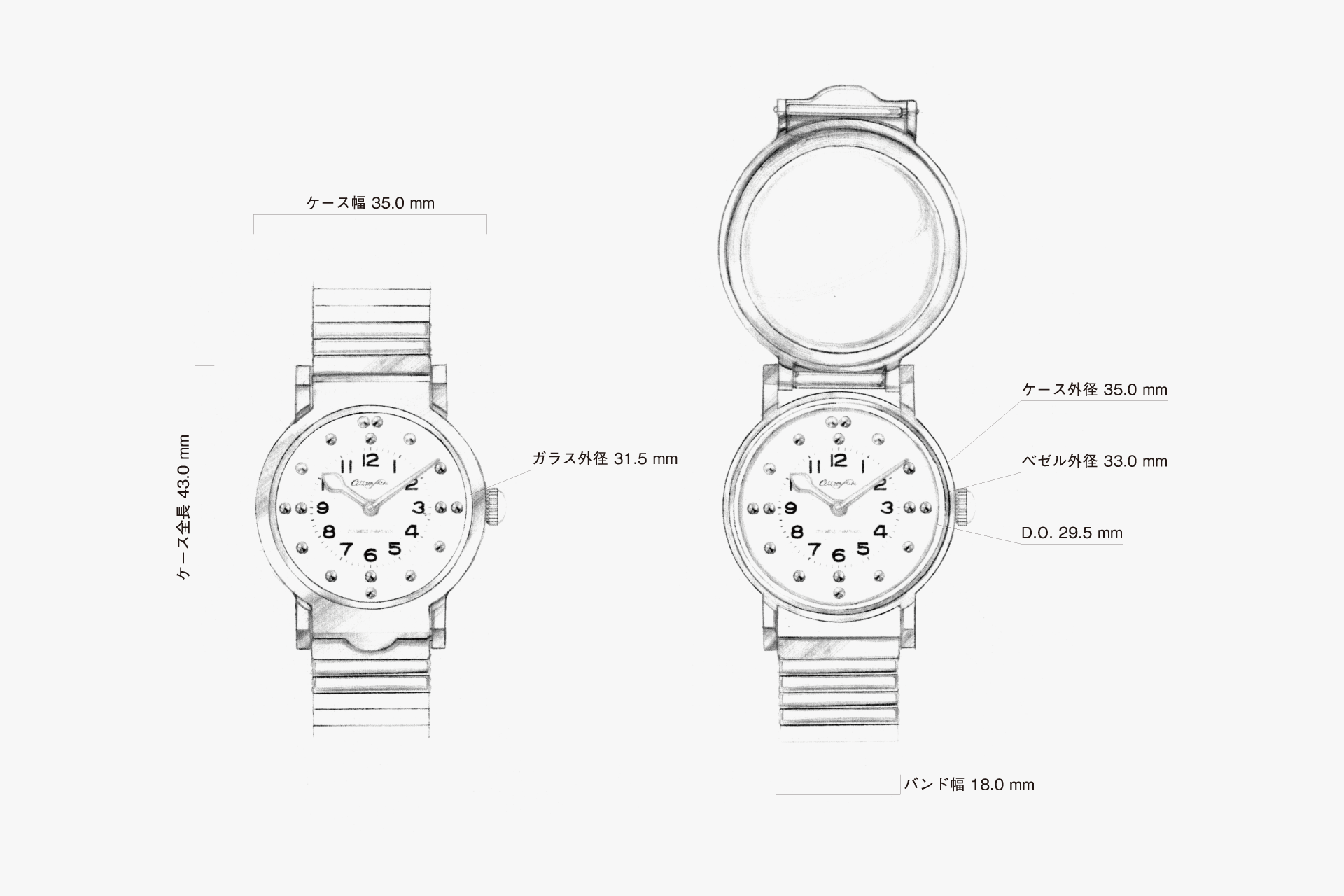
Because the time is read by directly touching the hands, indexes, and dial surface, all of these parts are softly shaped. The case glass lid opens and closes with a pleasantly tactile click—neither too hard nor too soft.
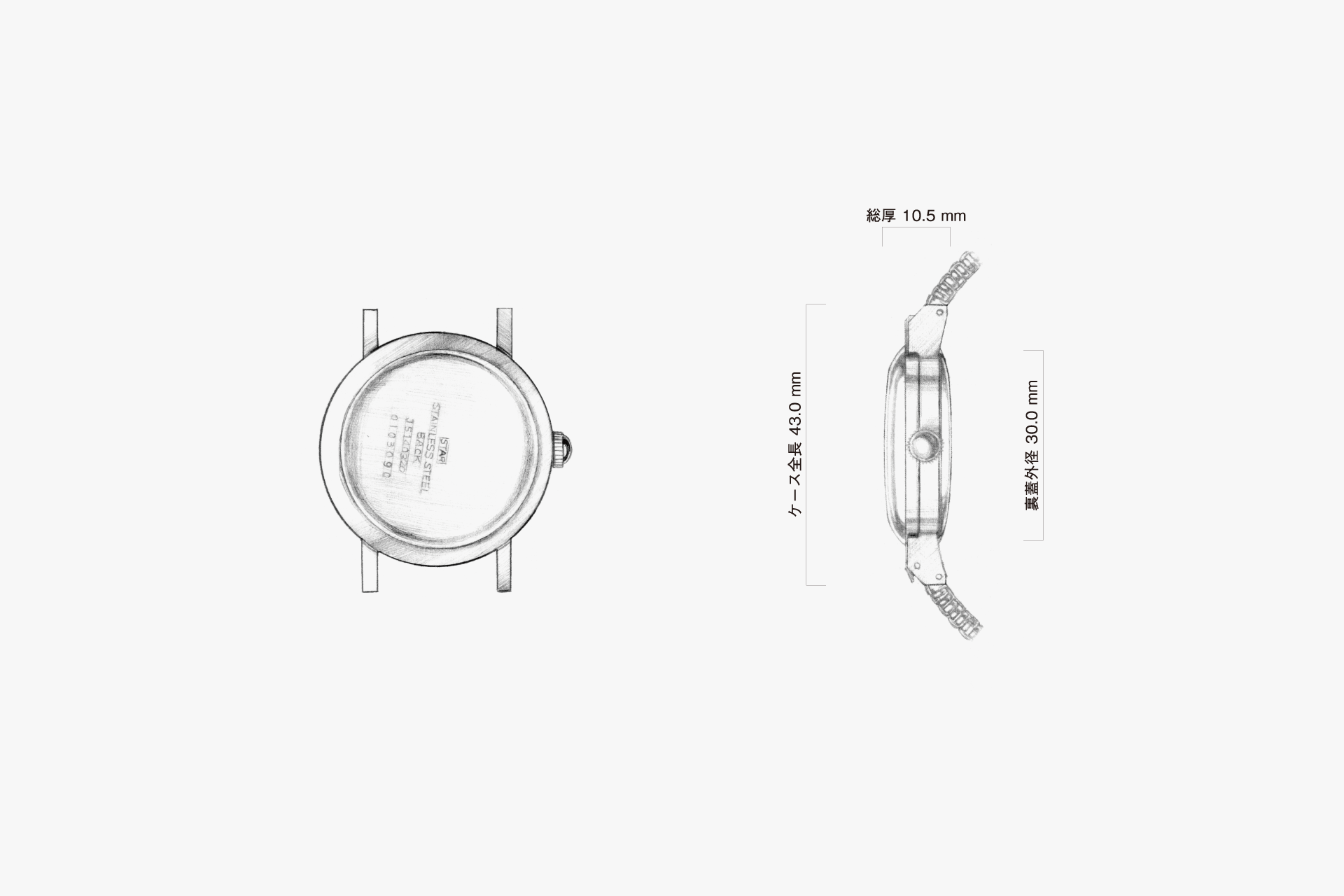
It appears that the same curve as the glass on the top of the case is also used for the case back. The case back features a hairline finish.
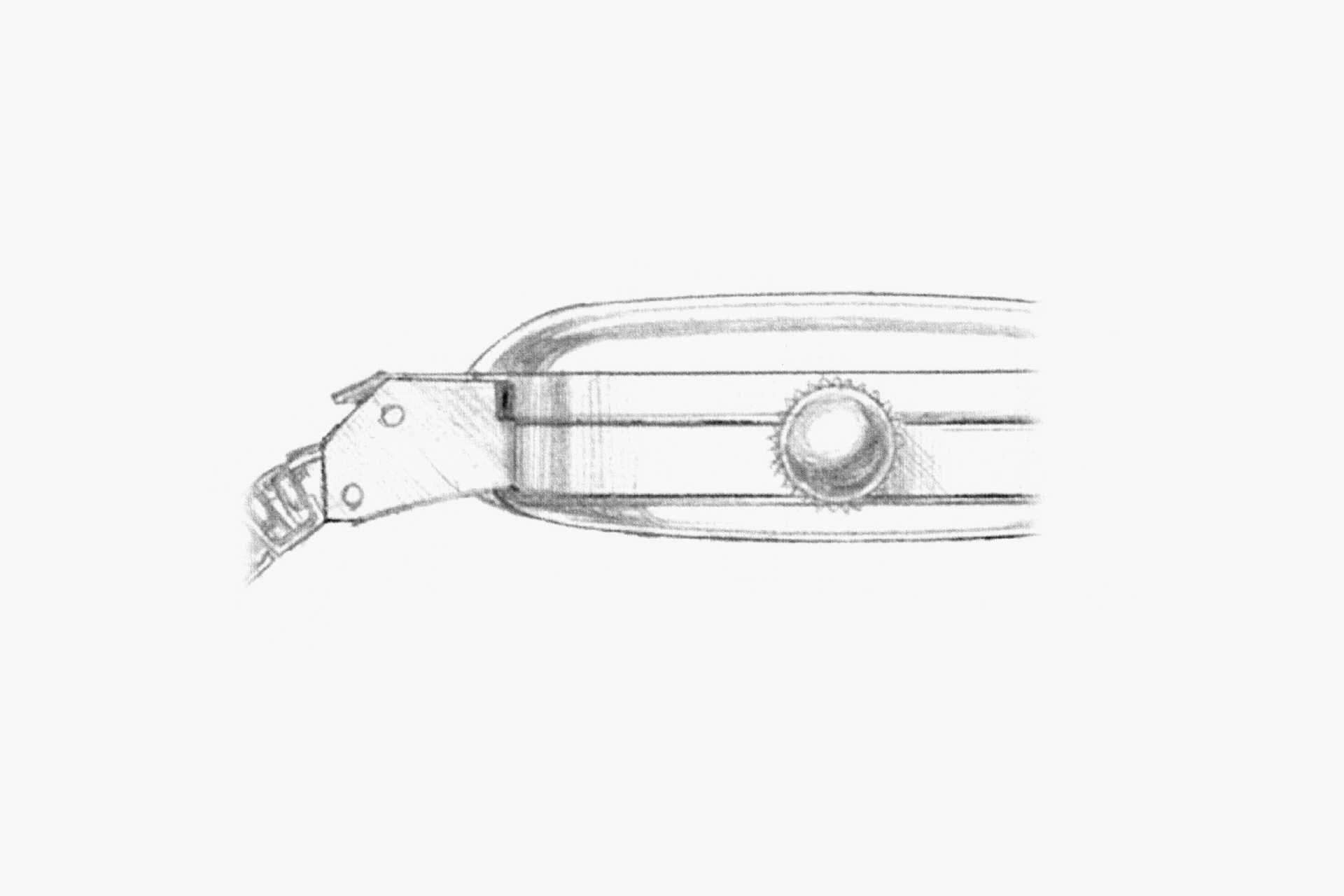
A domed box glass that gives a sense of warmth and reassurance.
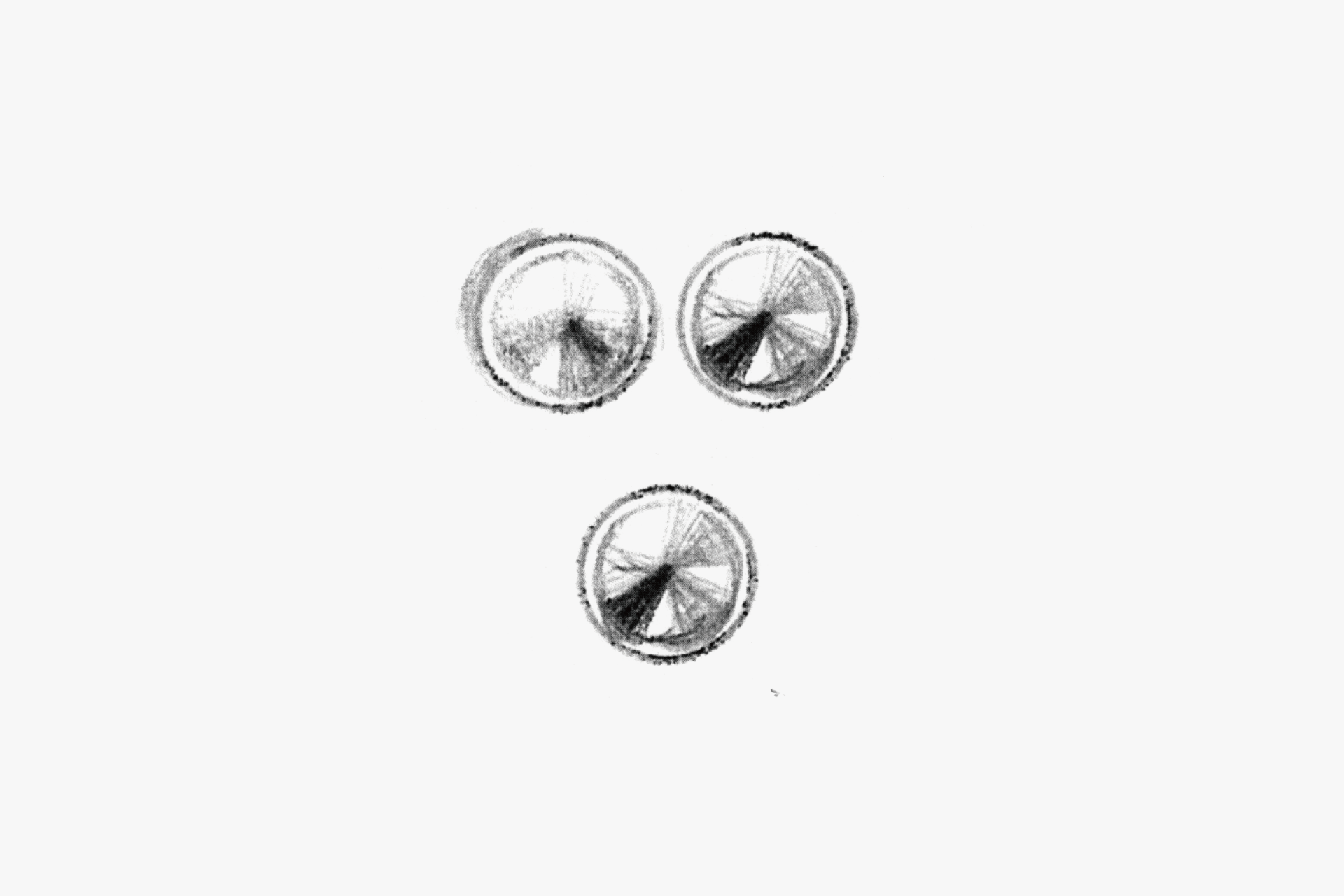
Index shapes that seem to be inspired by Braille.
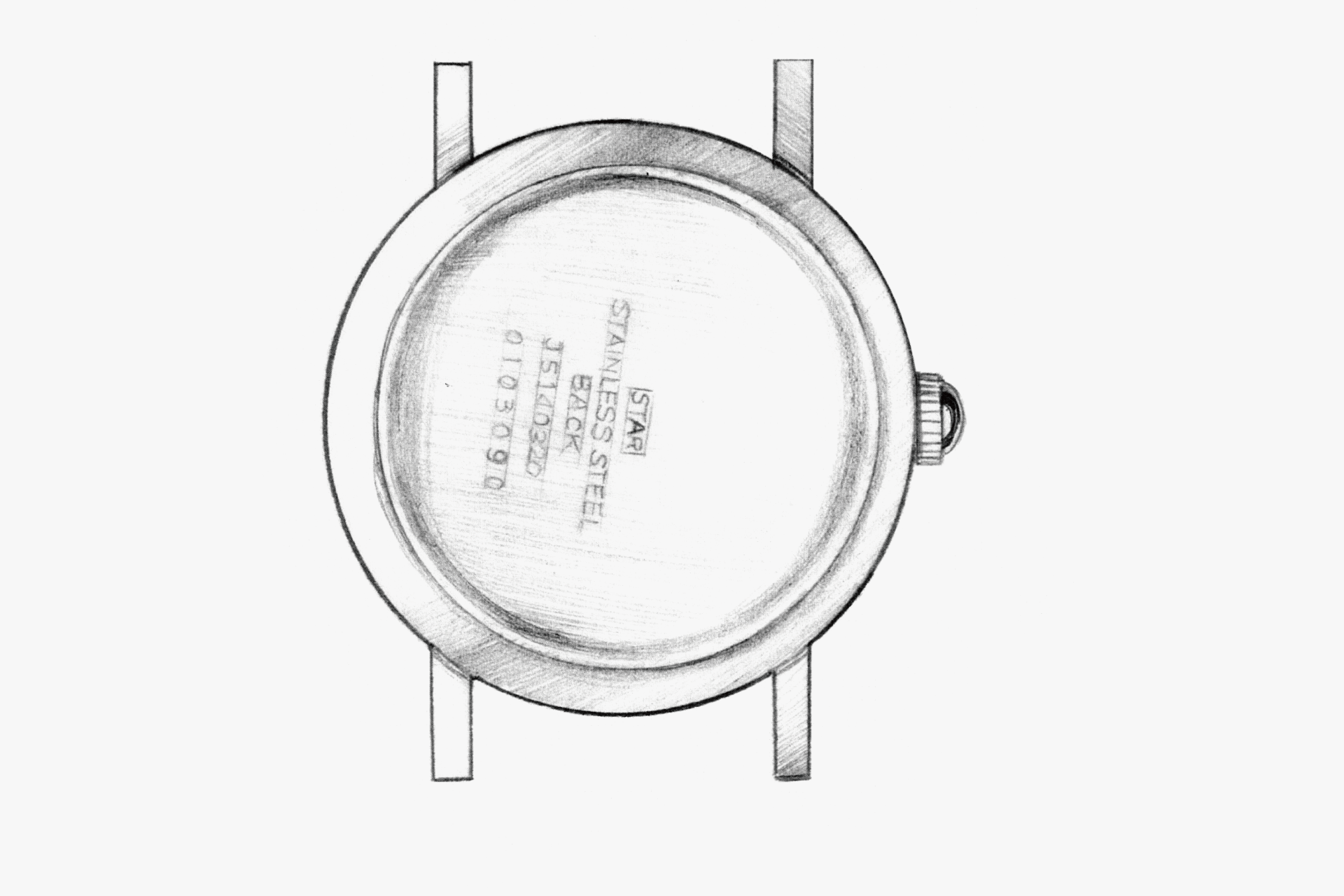
A curved case back that feels comfortable even when worn.
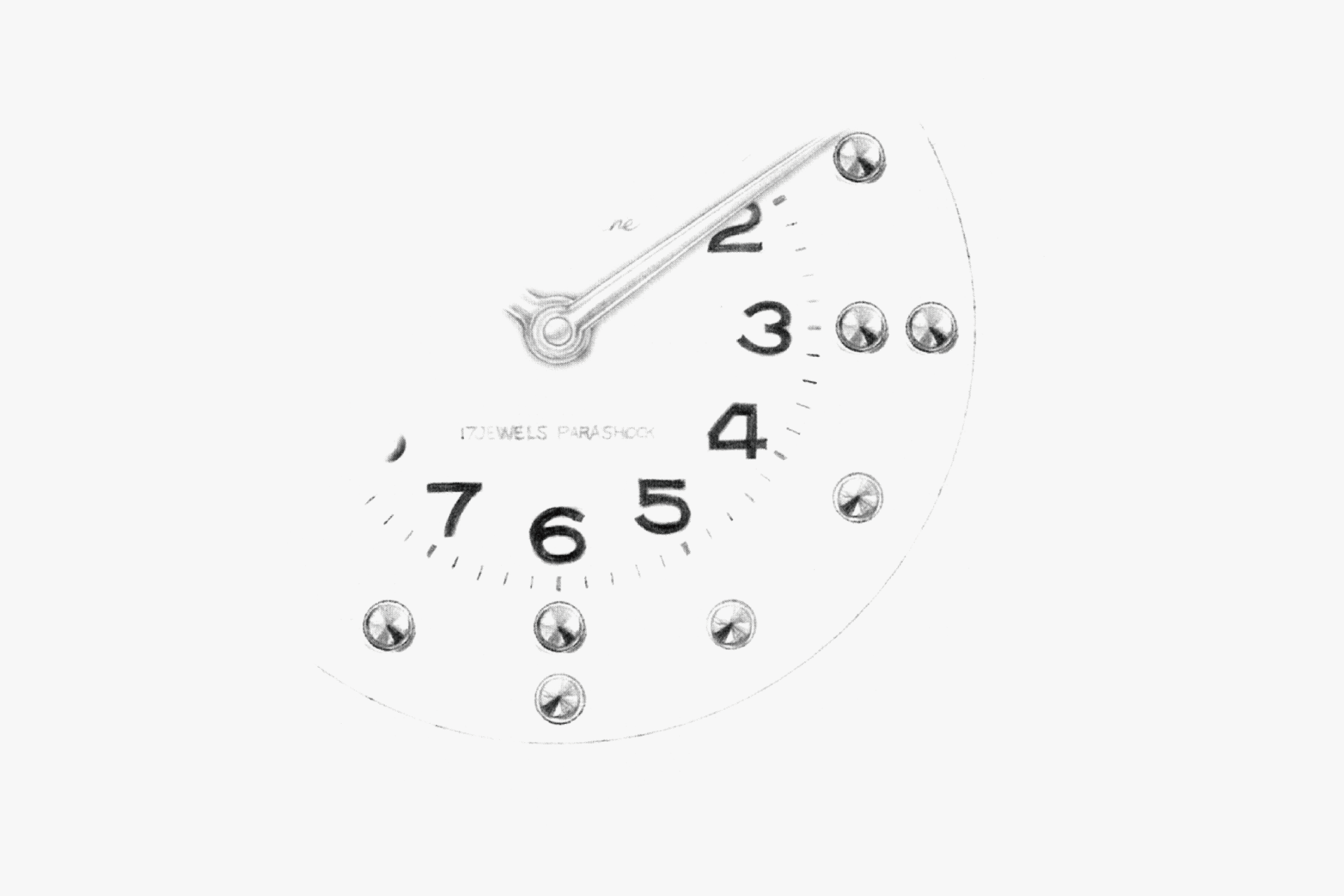
A domed dial with a resin coating on the surface and highly legible Arabic numerals.
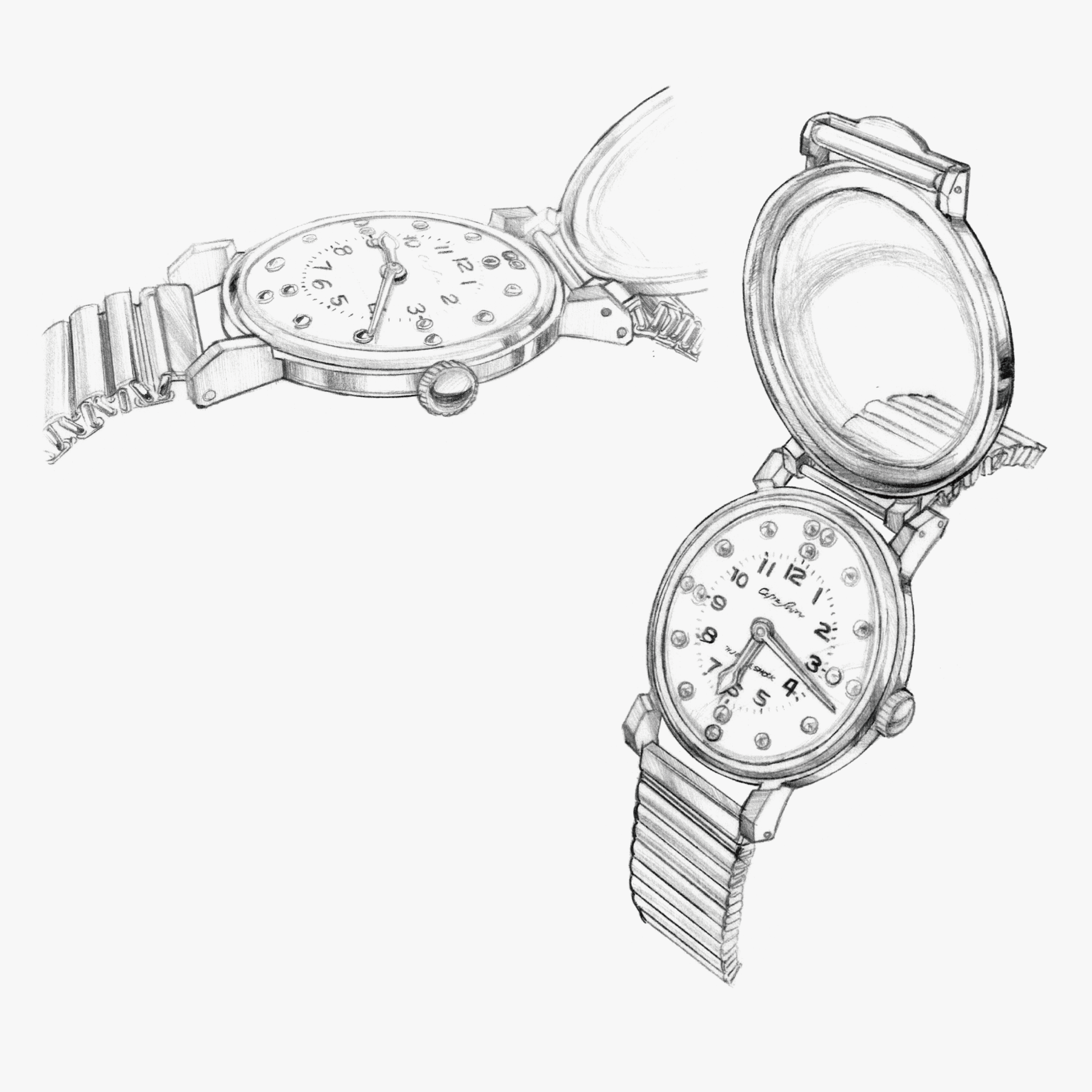
You read the time by opening the hinged glass and touching the surface of the dial with your finger. The three-dimensional hands and indexes are easy to feel with your fingertip, making it easy to read the time.
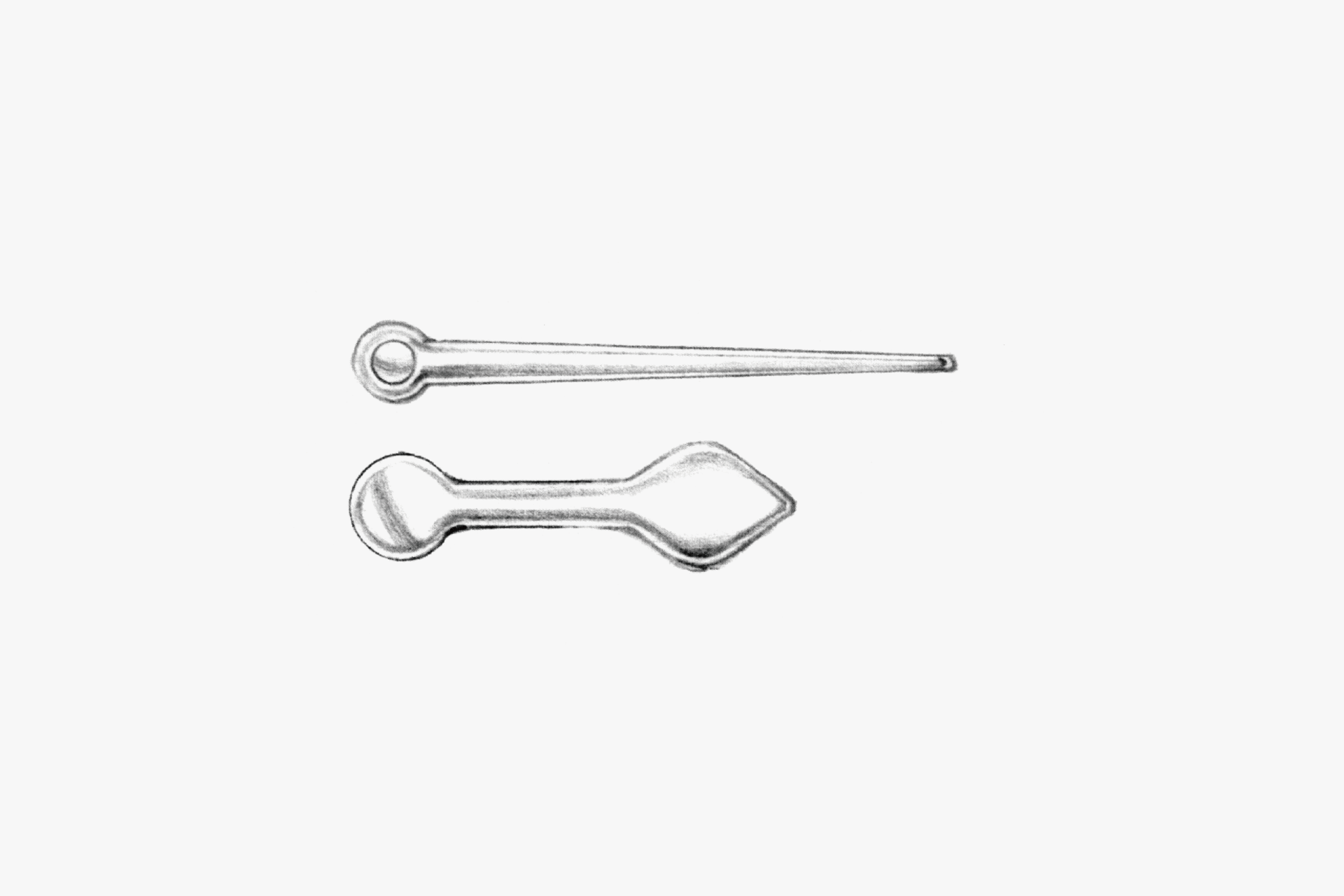
Stainless steel hour and minute hands with a strong presence.
ENGINEER'S EYE
Tactile-Reading Watch
The history of tactile-reading watches stretches back a long way. Among European mechanical pocket watches made in the 16th century, some had protrusions on the dial, allowing the time to be read in the dark by feeling the hands and the dial. At CITIZEN, the first-generation Shine produced in 1960 was the pioneer.
What is required of this type of watch—where one directly touches the hands—is sufficient rigidity and the assurance that the hands will not wobble when touched. The movement chosen for this watch was the “Junior.” Its main plate is thick and is firmly screwed directly to the case. Moreover, even if the minute hand is pressed a bit hard by mistake, the second wheel on which the minute hand is mounted is supported on both sides, and the center bridge and the train bridge share the load, so the risk of damage is low.
In addition, this second wheel is positioned at the center, receives power directly from the mainspring barrel, and transmits it to the third wheel, so it is constantly urged in the direction of rotation, preventing any wobble of the hands from a mere touch. It can truly be said that this was the optimal movement for a tactile-reading watch.